Rappahannock County
Gardens thatbelong here.
Native gardens, food forests, edible landscapes, and tree care — designed for the Piedmont, installed with Hill House natives, tended by hands that live here.
What We Do
Rooted in this place
Every project starts with the land — its soil, its light, its water. We design gardens that feed people, feed ecosystems, and feel like they belong.
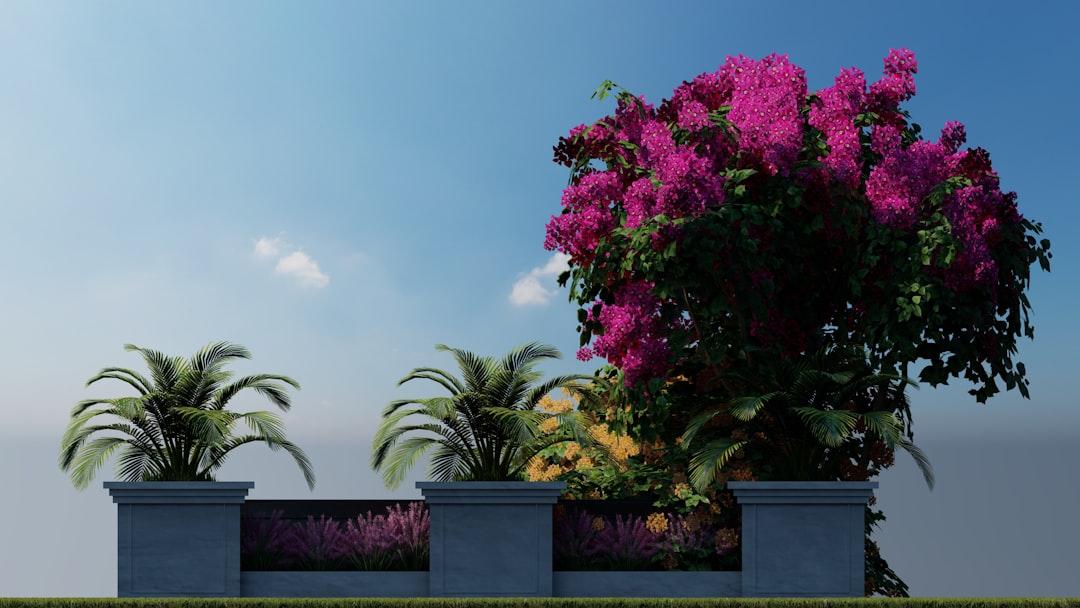
serviceberry, milkweed, mountain mint…
Native Garden Design
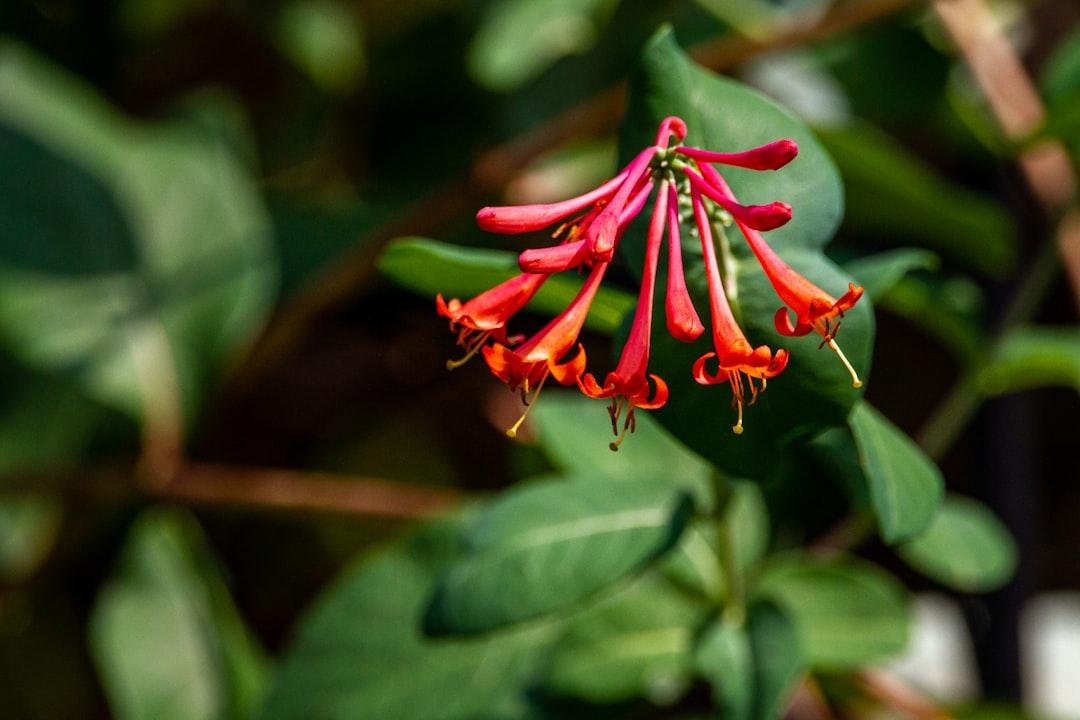
We design gardens using species that evolved here — mountain mint, goldenrod, little bluestem, serviceberry. They look cared-for and work like ecosystems.
- Native species selection
- Pollinator habitat
- Four-season interest
- Hill House-grown plants
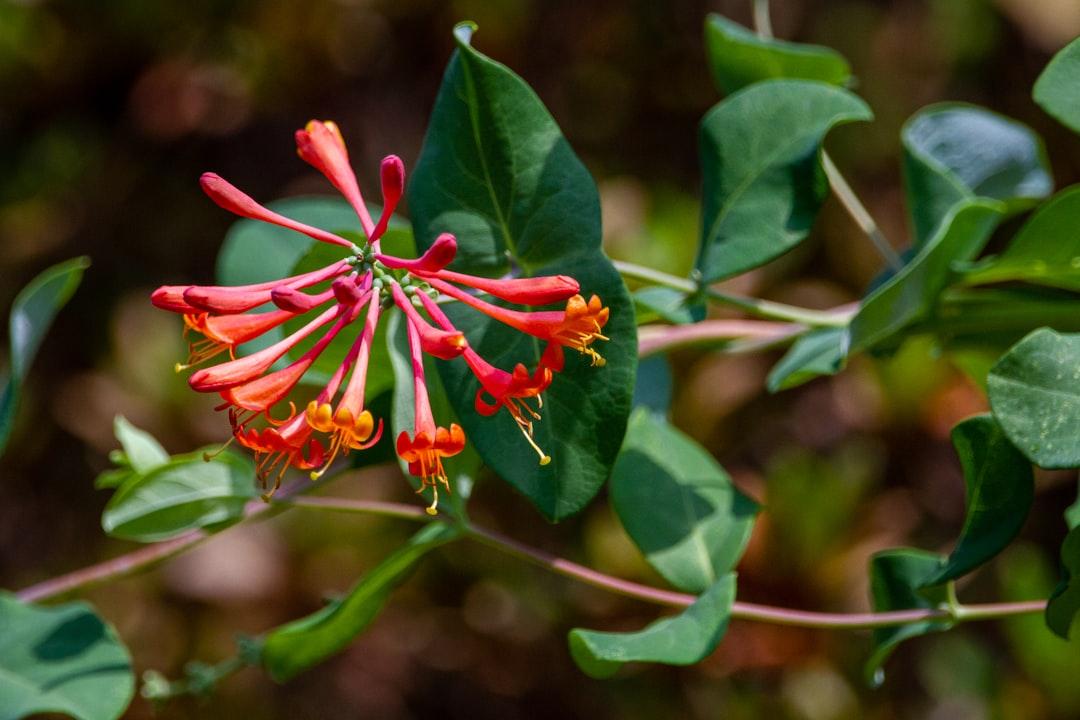
pawpaw, elderberry, hazelnut…
Food Forests & Edible Landscapes
Multi-story food forests that produce fruit, nuts, and berries while building soil and feeding wildlife. Chestnut, hazelnut, serviceberry, and ramps — species suited to our soils.
- Fruit & nut trees
- Berry shrubs
- Ground-layer edibles
- Soil building
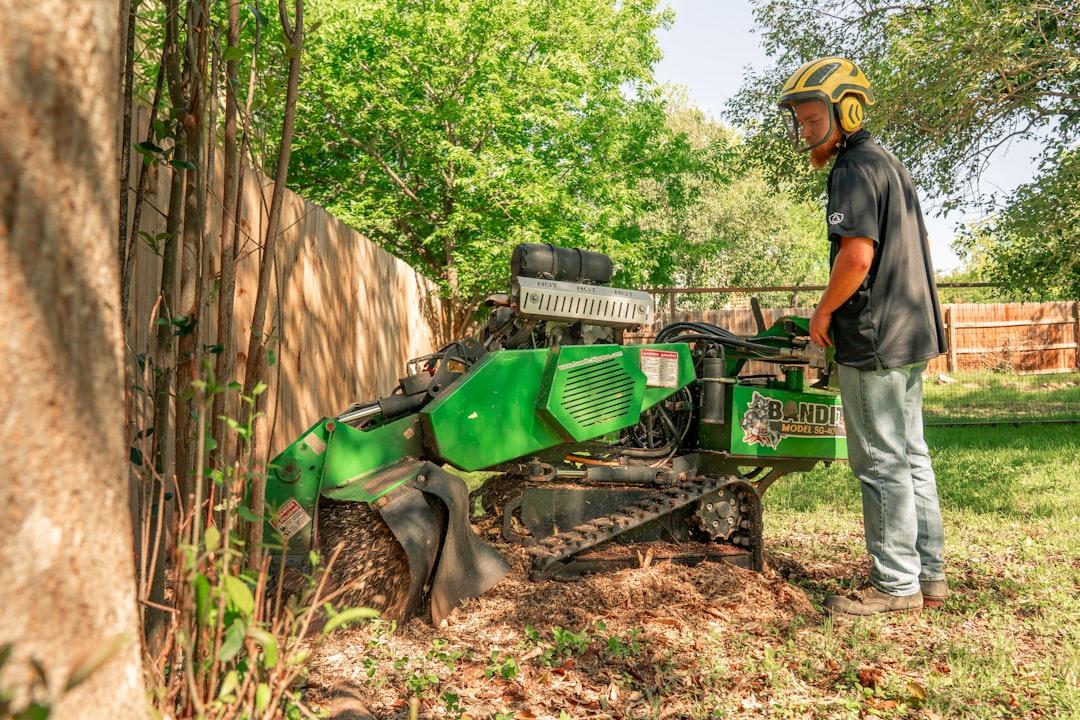
pruning, removals, storm response…
Tree Services
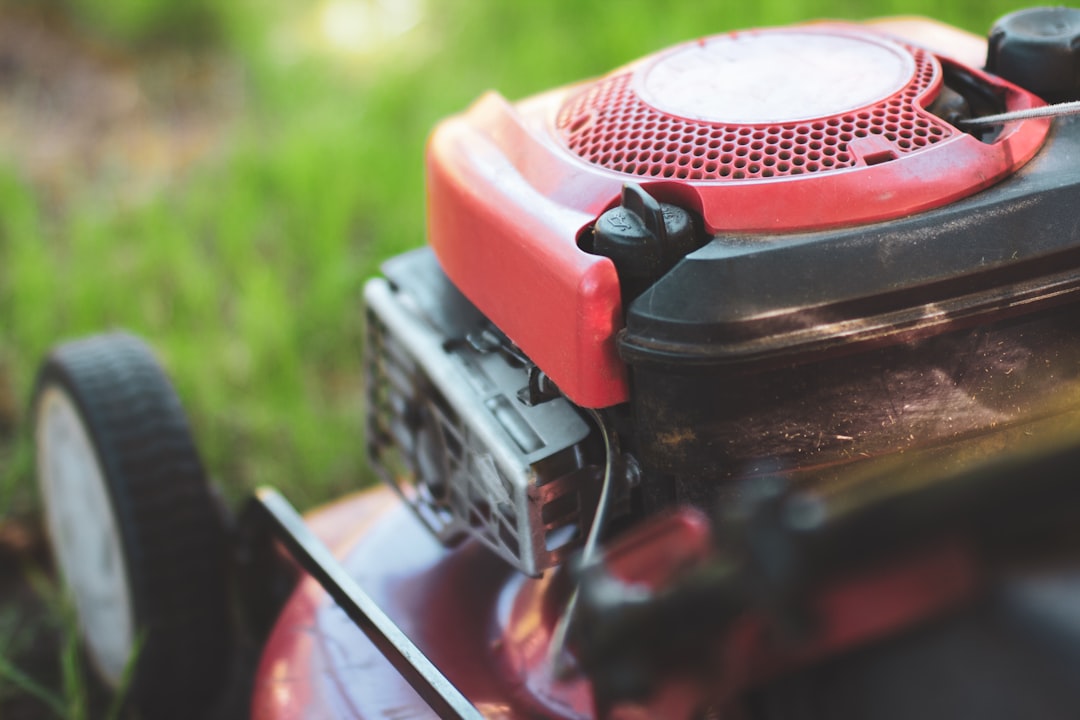
Trees are beautiful and precious, but sometimes they grow in dangerous places, get damaged, or fall ill. We care for the tree, your property, and the environment around it. From routine pruning to emergency storm response, we work as climbers — no bucket truck — which means we leave less of a footprint on the lawn and the soil while we work.
- Pruning & crown reduction (mature, decorative, fruit trees)
- Removal of dead, diseased, or hazardous trees
- Stump grinding
- Emergency / storm response
- Cabling & bracing
- Tree-health assessments
- Tree planting (native species when it fits)
- Disease & pest treatment
- Fully insured
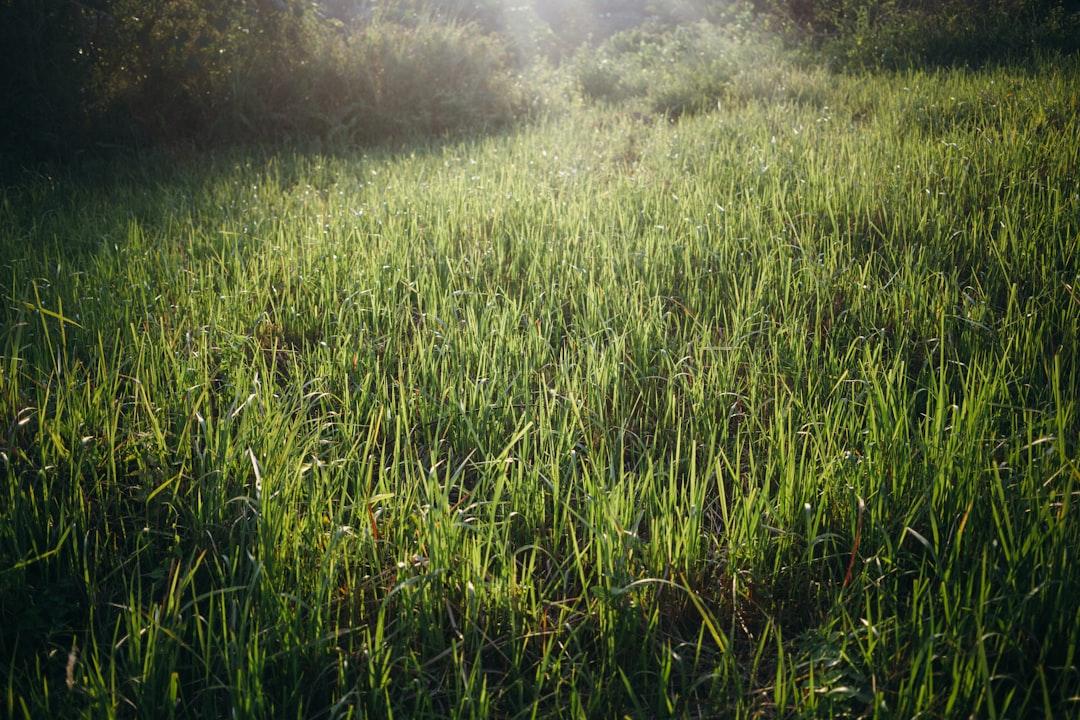
little bluestem, switchgrass, goldenrod…
Meadow Conversion
We convert turf grass into native meadows of little bluestem, switchgrass, butterfly weed, and black-eyed Susan. Less mowing, more life.
- Turf removal
- Native seed mixes
- Establishment mowing plan
- Wildflower integration
Before & After
The land, before and after
Drag the slider to see how a patch of turf or bare ground becomes a living garden.
Recent Work
From the field
Native Garden
Woodville
Food Forest
Sperryville
Hedgerow
Flint Hill
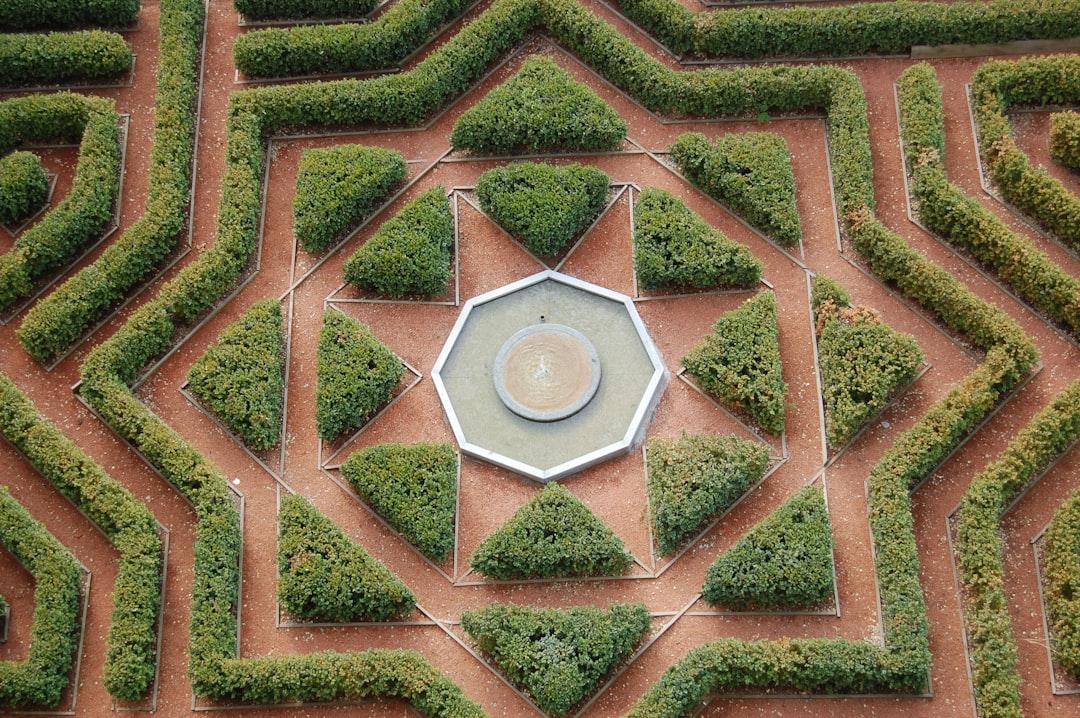
Meadow Conversion
Culpeper
Edible Landscape
Washington
Our Process
From conversation to garden
Good gardens take seasons, not weekends. Here is how we work.
We walk your land
We visit your property, study the soil, light, and water — and listen to what you want from the space.
usually 60–90 minutes
We draw a plan
You receive a design with species list, planting layout, and a phased timeline that fits your budget.
with Hill House sourcing list
We plant
Hill House-grown natives go in the ground at the right time of year, prepared for your specific site.
fall or spring, depending
We tend
Your garden matures season by season. We return to weed, divide, amend, and help it settle in.
years, not weekends
From Our Neighbors
What they say about the work
They planted a hedgerow of spicebush and viburnum along our fence line last fall. By June the birds had already found it. The whole row is alive.
Margaret Hollis
Sperryville, VA · Hedgerows
Get Started
Tell us about your land
Describe your property and what you have in mind. We will follow up to schedule a site visit — no cost, no pressure.
We reply within one business day
You receive a written site-visit summary
Serving Rappahannock, Fauquier, Culpeper, Madison & Warren counties
No obligation at any point